Every day, we take steps to protect the people and things that matter most.
Yet when it comes to our own health, it can be easy to put ourselves last. Your breast health matters, not only for you, but for the people who depend on you and care about you.
By understanding your breast cancer screening and imaging options, you can take an important step towards early detection and greater peace of mind.
Breast Cancer in Australia
Breast cancer is the most commonly diagnosed cancer among women in Australia.
More than 20,000 new cases are found each year. In fact, 1 in 7 women will be diagnosed with breast cancer at some point in life.
Early detection and breast cancer awareness can improve survival and save lives.
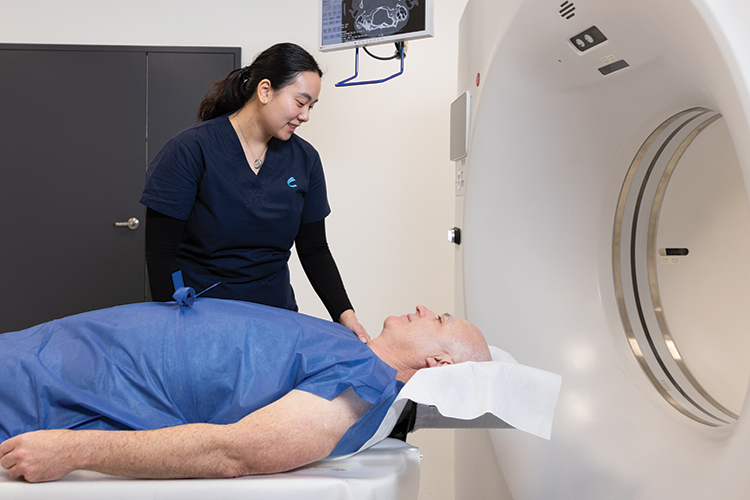
We support breast cancer detection and diagnosis through our breast imaging and procedures, delivered with care, comfort and compassion.
National screening programs and ongoing research have helped improve survival rates. Getting regular medical imaging is important for finding breast cancer early.
When cancer is found early, there are more treatment options available and improves your chance of surviving.
Why Breast Cancer Awareness Is Important
- Early detection can save lives: Regular screening can find breast cancer before symptoms start.
- Knowing your risk helps: Family history, genes, age, and lifestyle can raise your risk.
- Earlier treatment is often easier: Finding cancer early can lead to less invasive and more effective treatment.
- Community support matters: Awareness campaigns help women and men take charge of breast health.
Key Steps for Early Detection
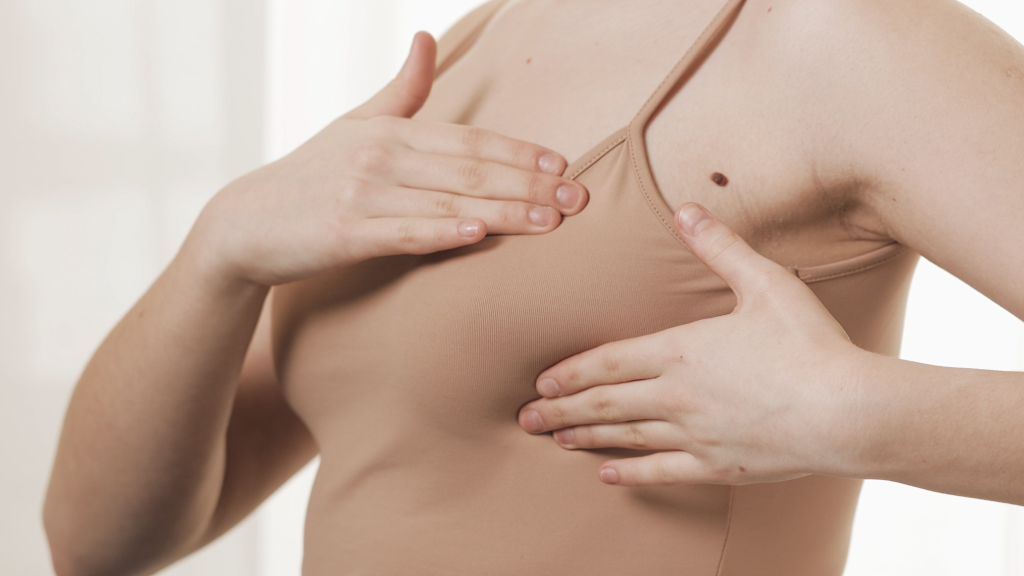
Breast Self-Exam
Regular self-checks help you spot changes in your breast tissue. By learning the feel, shape, and size of your breasts, you can notice anything unusual sooner.
Clinical Breast Exams
See a health professional for regular breast exams. These checks can find problems that self-checks may miss.
Medical Imaging for Breast Cancer
Ultrasound
This scan lets doctors see inside the breast in real time. It is often used with mammograms and can help with cysts and some biopsies.
MRI
MRI uses magnets to make images of breast tissue without radiation or X-rays. It can help women at higher risk of breast cancer.
Mammogram
These X-ray images can find small changes in breast tissue. Women over 40 should get regular mammograms, and women with a family history may need to start earlier.
Protect yourself to protect those around you
Recognising warning signs
It’s important to watch for changes in your body. Look out for:
- Lumps or Masses: A new lump or mass in your breast may be felt during self-checks.
- Shape Changes: Watch for swelling, dimpling, or changes in breast shape.
- Skin Changes: Redness, scaling, or other skin changes on the breast or nipple should be checked.
- Nipple Changes: Changes in nipple position, inversion, or discharge should not be ignored.
- Pain: Most breast cancers do not cause pain, but you should seek help for unexplained breast or nipple pain.
Understanding your risk
Understand the risk factors that apply to you. These include:
- Age: 80% of breast cancer cases occur in women over the age of 50
- Family history of breast or ovarian cancer
- Medical history: having previously had radiation therapy or having taken some medications including menopausal hormone therapy, the oral contraceptive pill and diethylstilboestrol (DES)
- Reproductive history: starting menstruation very young, reaching menopause late, age when first child was born or not giving birth
- Breast density
- Lifestyle: alcohol consumption, smoking tobacco, lack of exercise, being overweight or obese
Common Myths About Breast Cancer
Myth 1: Only women can get breast cancer.
Myth 2: Only older women are at risk.
Myth 3: Breast cancer is always inherited.
Taking Action for Your Health
Our team uses advanced breast imaging technology and skilled doctors who provide caring support. From screening mammograms to diagnostic scans, we aim to make the process as clear and calm as possible.
Breast cancer is Australia’s most commonly diagnosed cancer in women, but it is also one of the most treatable when found early. According to AIHW data for people diagnosed between 2017 and 2021, the overall 5-year relative survival rate is approximately 93%, a figure that reflects decades of progress in early detection and treatment.
Protect what’s close to your heart, for those who are close to your heart. Schedule your mammogram and take action today. Early detection can make a big difference.

Frequently Asked Questions
Why is early detection so important for breast cancer?
Early detection can find breast cancer before symptoms start. This can improve survival and may allow for less invasive and more effective treatment. Regular mammograms, self-checks, clinical breast exams, and other scans can all help.